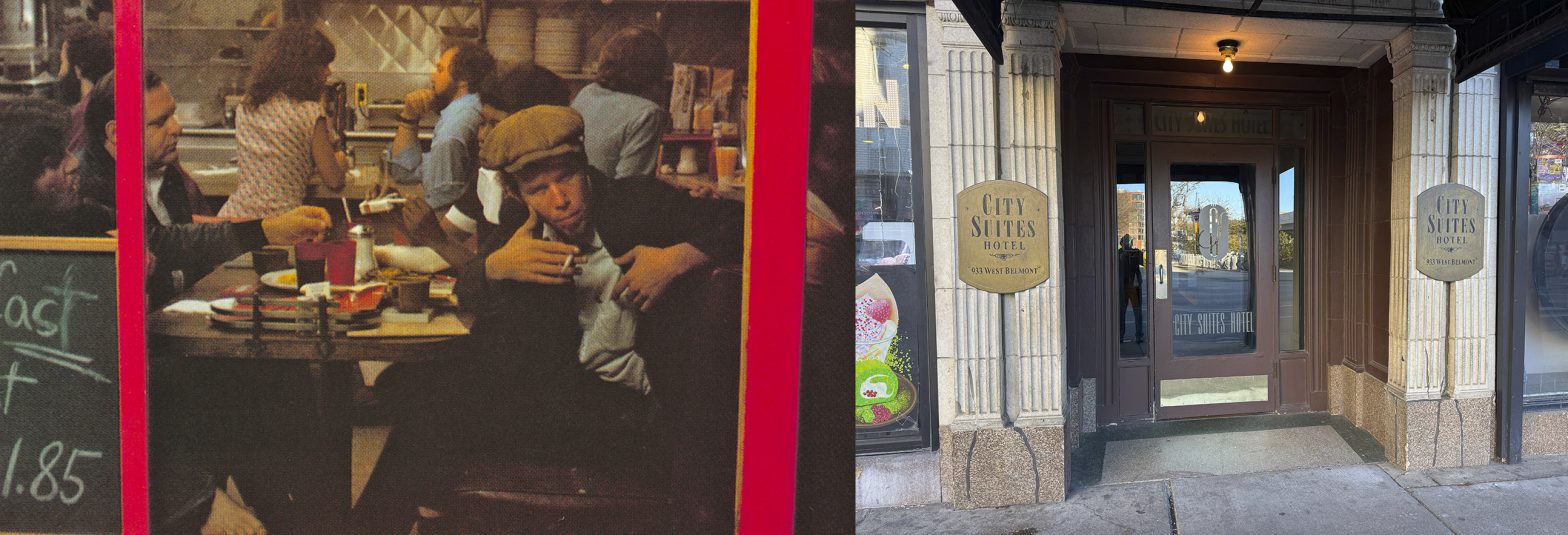
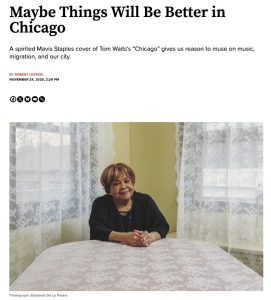
I wrote for Chicago magazine last week about the new Mavis Staples cover of the Tom Waits song “Chicago”—one of the great songs about our city, in either version. Writing this essay gave me a gave me a chance to dig a little bit into Waits’s Chicago connections. Here’s more.
When Waits performed in 2006 at the Auditorium Theatre—his most recent concert in Chicago!—I reviewed the show for the Daily Southtown. In that review, I described Waits sharing a Chicago memory before pivoting into remarks about Minneapolis:
He reminisced about staying in a rundown hotel at Belmont and Sheffield. “The lady behind the counter was the mother of the Marlboro Man,” he noted, adding how disappointed he is when the colorful places he recalls from years ago have become generic and gentrified. “Now you say, ‘9th and Hennepin’ to someone in Minneapolis, and they say, ‘Oh, yeah, my wife got some sandals there.’ Sandals? I got shot there,” Waits cracked.
As it turns out, Waits has often told versions of this story about the Marlboro Man’s mother. He mentioned it when WXRT interviewed him on July 11, 1986, according to a transcript at the Tom Waits Library.
Interviewer: Not staying in the Wilmont Hotel in Chicago anymore?
Waits: No, I gave them enough business I think. The Wilmont was good to me and I was good to the Wilmont. But those days, I knew they would have to end. Actually the woman who was the night clerk at the Wilmont Hotel—her son is the Marlboro Man—and that’s how I got into show business. I met Bob Marlboro and it was all uphill from there.
In a 1987 Los Angeles Times Magazine article, journalist Robert Sabbag described driving with Waits around L.A., where the sight of a cigarette billboard apparently prompted him to tell the story again: “Now, the Marlboro man, his mom is a night clerk at the Wilmont Hotel in Chicago. I’ll swear on a stack of Bibles. I checked in; I told her I was playing a club there. She said, ‘You’re in show business?’ I said yeah. She said, ‘The Marlboro man is my son. You probably know him if you’re in show biz. Bob Jenkins, works out of Phoenix.’”
Sabbag followed this Waits quote with an observation of his own: “This is not information one is likely to find corroborated in travel brochures. It is not the stuff of American legend.”
Indeed, it’s hard to fact-check any Waits tale. Although he has a habit of embellishing stories, it seems likely that his oft-repeated anecdote about the Marlboro Man’s mom is at least partially true. But I haven’t been able to verify if there was a man named Bob Jenkins in Phoenix who posed for Marlboro advertisements, who had a mother working as a clerk at the Wilmont Hotel in Chicago. All of that might be true, but who knows?
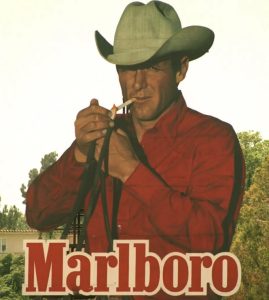
For one thing, there was more than one model who appeared as the Marlboro Man in those iconic cigarette advertisements. Draper Daniels, the creative head of Leo Burnett in Chicago in the 1950s, came up with the Marlboro Man campaign for the Philip Morris company. (He was also an inspiration for the Don Draper character in Mad Men.)
“In the beginning, Marlboro Men were not necessarily cowboys,” the Los Angeles Times wrote. “They were lean, rugged outdoorsmen, Navy officers, pilots and, yes, cattle ranchers. But their effect was immediate: Within eight months of the introduction of the Marlboro Man, sales increased a staggering 5,000%.”
The men who played the role include William Thourlby, “whose modeling career consisted mainly of posing as the tough guy grabbing women on the cover of True Confessions-type magazines,” the Los Angeles Times noted; Montana rancher W.Z. “Herf” Ingersoll, who switched from unfiltered cigarettes to Marlboros after he landed the gig; and Colorado rancher Robert C. Norris, who’d grown up in the Chicago area—and who never actually smoked. (Is it possible Waits was talking about Bob Norris? That Marlboro Man’s mother was Dellora Norris, who lived in west suburban St. Charles and died in 1979.)
Waits divulged a few more details about his time at the Wilmont Hotel when he spoke in 2011 with Mark Richardson for Pitchfork:
I used to go [to Chicago] in the early 70s, used to play at Belmont and Sheffield. There was an old Latin club called the Quiet Knight. It was under the El. It had a huge staircase that went straight up, like four flights. I used to open a show for Sonny Terry and Brownie McGhee. Richard Harding was the owner. Eddie Balchowsky, a painter, worked for Richard. Very interesting group of people.
There was a cafe called the Victoria. There was a hotel called the Wilmont. I was very acquainted with that piece of Chicago. They had these old Cadillacs at the airport, and a guy leaning up against it, saying, “You want a ride?” He’s not a limo driver, he just has a Caddy. He would bring me into town, drop me [at the hotel]. It was probably like 30 bucks a night. It was a great little neighborhood, I don’t know what it’s like now.
It’s weird talking about really funky old neighborhoods that you haven’t been to in a while. There’s this corner of 9th and Hennepin in Minneapolis. It used to be a really dangerous part of town. It used to spell trouble; now it spells sandals and yogurt. So maybe Belmont and Sheffield is like that, too: “Belmont and Sheffield? Oh yeah. That unisex hair place down there? We go there sometimes. I took yoga down there for a while.”
That Minneapolis intersection was immortalized in “9th & Hennepin,” a track on Waits’s 1985 album Rain Dogs. Waits recites words that paint a bleak, if amusing, picture: “Well, it’s Ninth and Hennepin. All the doughnuts have names that sound like prostitutes, and the moon’s teeth marks are on the sky like a tarp thrown over all this. And the broken umbrellas like dead birds. The steam comes out of the grill like the whole goddamned town is ready to blow…”
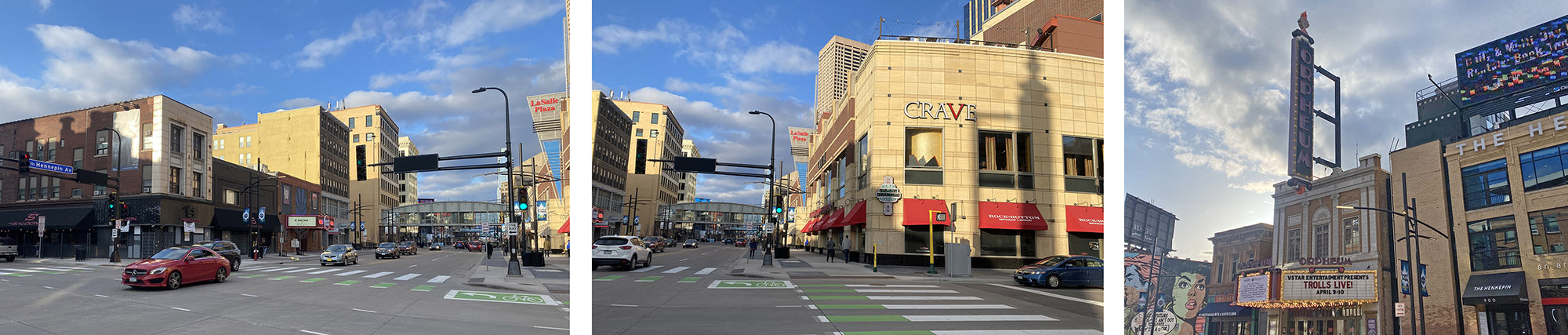
If you visit Ninth Street and Hennepin Avenue in Minneapolis today, you won’t see anything resembling that scene. The intersection is where you’ll find the Crave American Kitchen & Sushi Bar, the Hennepin arts center, and the Orpheum Theatre, where the current lineup of entertainment includes The Phantom of the Opera, Mannheim Steamroller Christmas, and Blue Man Group. (I took the photos above in April 2022.) This corner of downtown Minneapolis isn’t ritzy, exactly, but it’s no longer a spot where, as Waits asserted, “the bricks are all scarred with jailhouse tattoos, and everyone is behaving like dogs.” (It’s probably just a coincidence that the Ronald Reagan Boyhood Home is also located at Ninth Street and Hennepin Avenue—an intersection in Dixon, Illinois, with the same street names. Then again, the Waits song does say “Dutch is dead on his feet,” and Dutch was Reagan’s nickname. A weird bit of serendipity?)
Tom Waits’s old stomping grounds in Chicago’s Lake View neighborhood have also gone through a transformation or two since he loitered there in the mid-1970s. As Waits mentioned in his interview with Pitchfork, the Quiet Knight concert venue was his reason for being there.
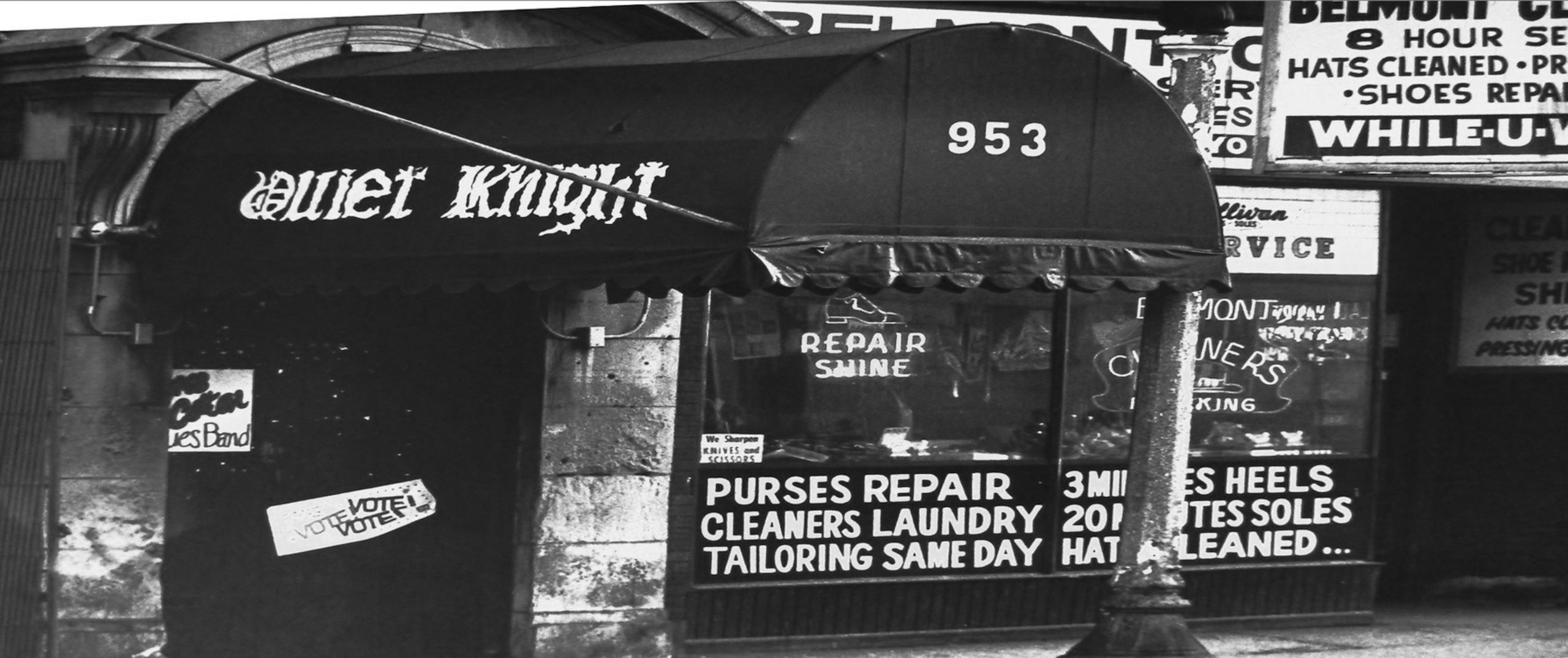
“The space was formerly home to Havana Madrid, a Hispanic nightclub,” Mark Guarino wrote in his 2023 book Country and Midwestern: Chicago in the History of Country Music and the Folk Revival, which devotes several pages to the Quiet Knight and its prominent role as a showcase for singer-songwriters. “The stairs to the second-floor walk-up were steep—‘coronary-producing,’ according to one nightlife writer—but the room at the top was big enough to fit 450 people.”
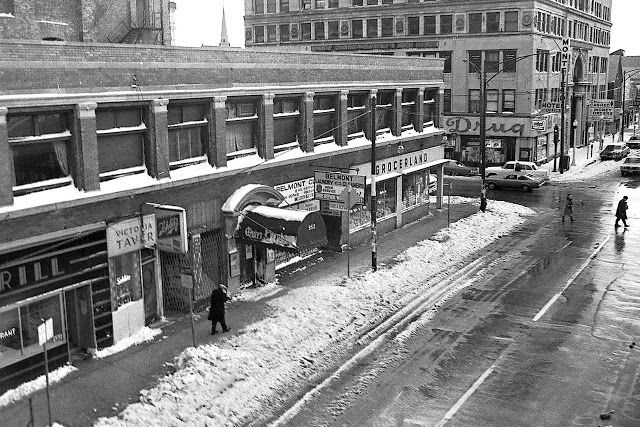
Owner Richard Harding had originally opened the Quiet Knight on Wells Street in 1968, but he moved the venue to 953 West Belmont Avenue in November 1969 and stayed there for a decade, presenting a who’s who of the era’s stars: Bruce Springsteen, Jimmy Buffett, Jimmy Cliff, Bob Marley, Muddy Waters, Howlin’ Wolf, Sun Ra, Gram Parsons and Emmylou Harris, Linda Ronstadt, Randy Newman, Jackson Browne, Kris Kristofferson, and Waylon Jennings, to name just a few.
The SetList.fm website lists 10 Tom Waits concerts at the Quiet Knight in 1974 and 1975, but that’s incomplete. According to newspaper ads of the time, Waits made three weeklong visits to the venue, each time playing a string of five dates, from Wednesday through Sunday. On many of those nights, he played two or even three shows, for a total of at least 26 gigs on 15 dates. The cover charge was $2 on weeknights and $3 on weekends.
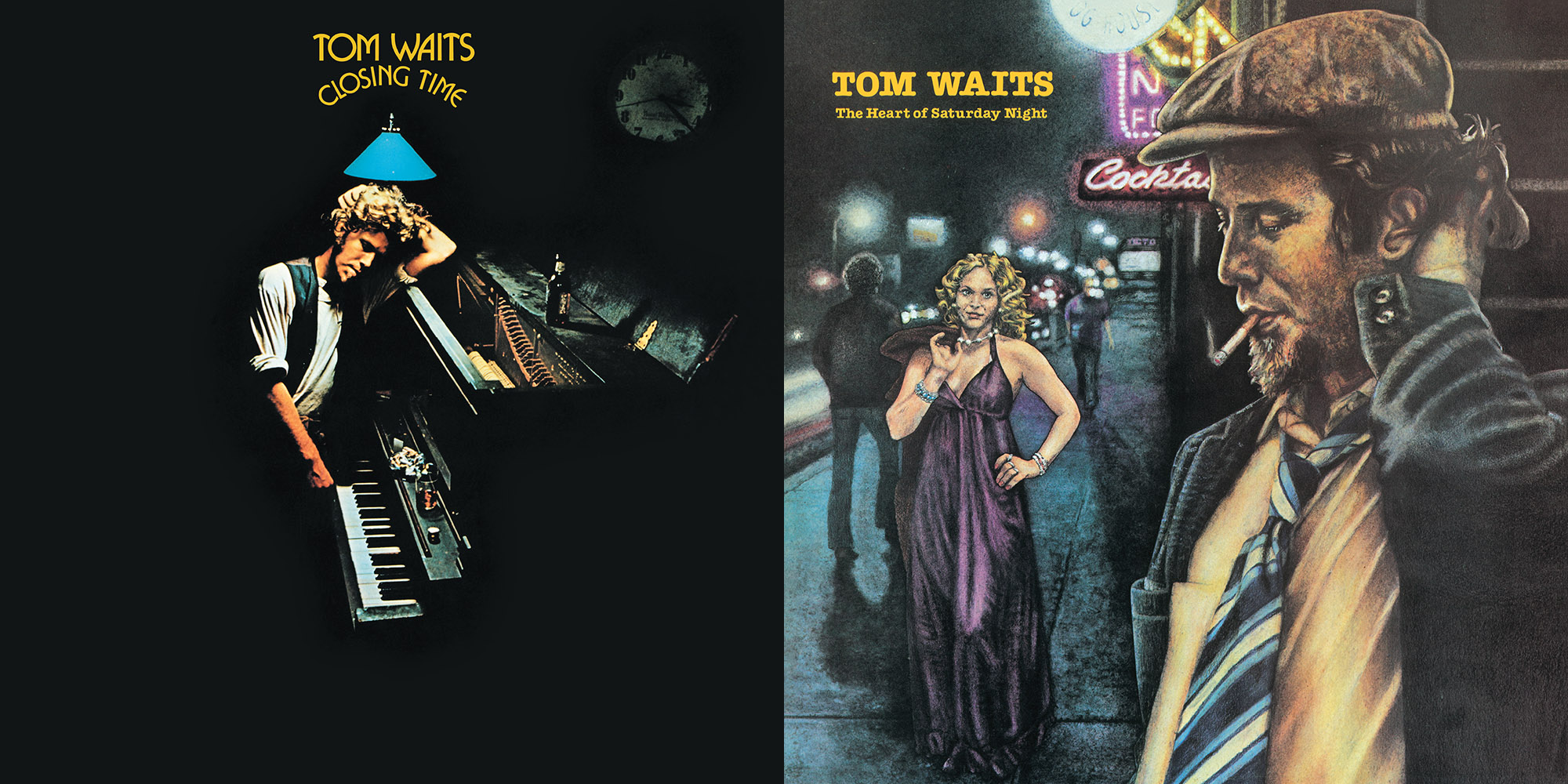
Waits was billed as a “folksinger” when he made his first appearance at the Quiet Knight in November 1974, opening for country blues musicians Sonny Terry and Brownie McGhee. He played from November 27 through December 1 (with shows at 9:15 and 11 p.m. on the final three nights). The 24-year-old Waits had just released his second album, The Heart of Saturday Night, following up his 1973 debut, Closing Time.
Writing in the Chicago Daily News, critic Marshall Rosenthal praised the “warm and friendly house party” Terry and McGhee created during their set, but he relegated Waits to a single paragraph at the end of his review: “Singer-storyteller Tom Waits opens the show with some very offbeat material that requires a special taste to enjoy.”
Waits headlined at the Quiet Knight in May 1975, when a listing in the Daily News parenthetically called him “a sleeper, folks.” He played from May 7 to 11 (with shows at 9:15 and 11 p.m. on the final two nights).
“The first 20 minutes or so of Tom Waits’ performance up at the Quiet Knight held me spellbound,” critic Buck Walmsley wrote in the Chicago Sun-Times. “Wow! This was like Lord Buckley roaring down State Street on his own private railroad; it was like early Rod McKuen rolling drunks in North Beach; then it was like Fats Waller serenading a rump roast. Waits’ imagery was wild, exciting. That voice was so bad it was good. Then something went out of it all. Waits seems to try to get melodic and romantic. … And his whole show fell into set pieces.”
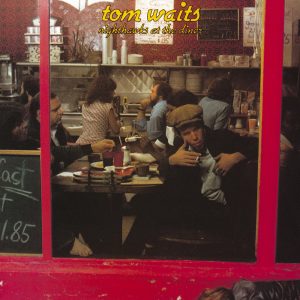
Waits returned in December 1975, when a Daily News listing identified him as a “poet, singer.” He played from December 17 to 21 (with shows at 9:15 and 11:15 p.m. each night, plus a 12:30 a.m. show on Saturday). By this time, he’d released his third album, Nighthawks at the Diner.
“Tom Waits makes his way to the stage of the Quiet Knight like an overloaded hobo trying to get out of town,” Howard Mandel wrote in the Daily News. “Towing a battered suitcase and gulping the last of a beer, the young singer-songwriter with the voice of a bad morning after grabs the microphone like a last cigaret.
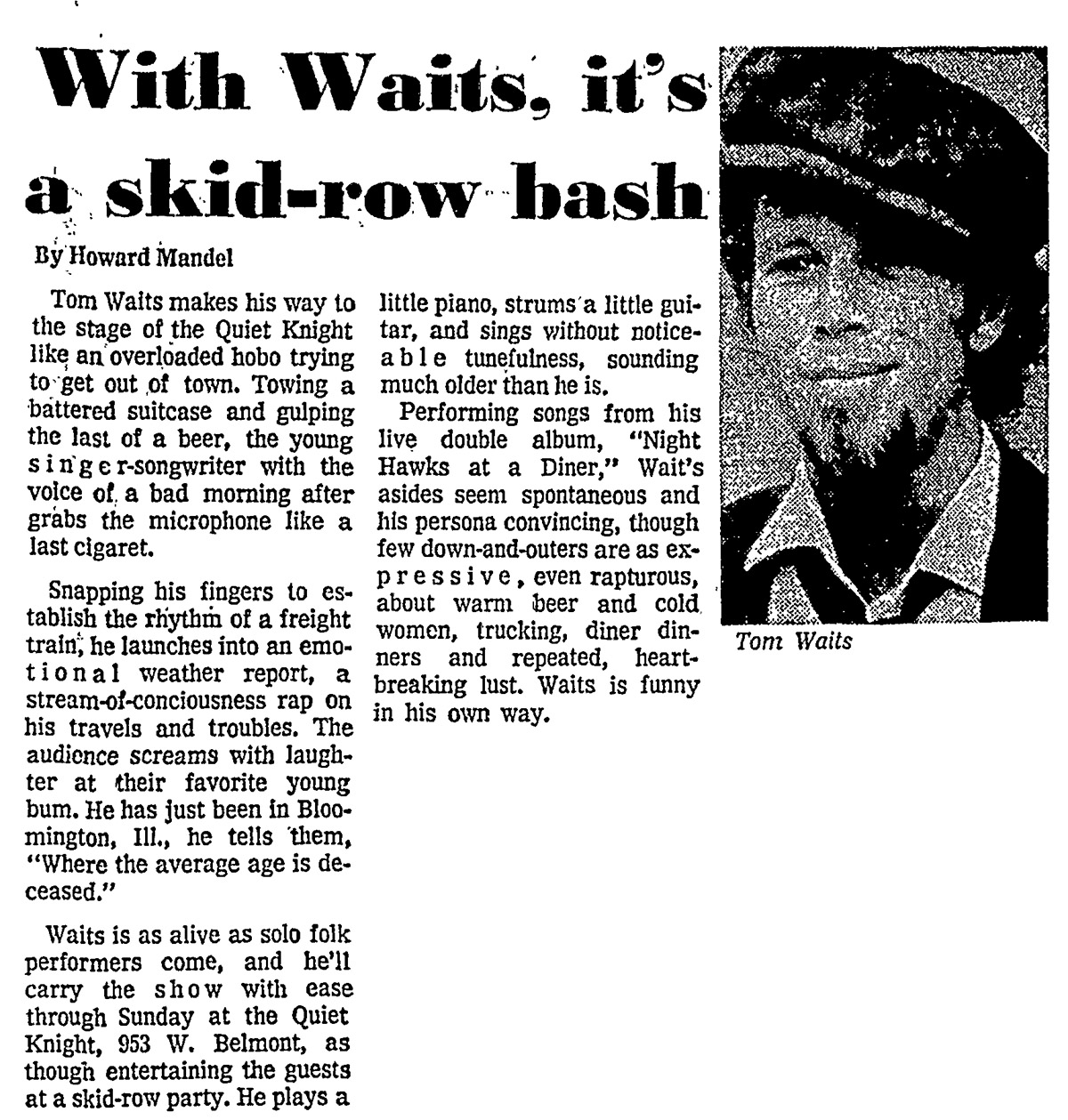
“Snapping his fingers to establish the rhythm of a freight train, he launches into an emotional weather report, a stream-of-consciousness rap on his travels and troubles. The audience screams with laughter at their favorite young hum. He has just been in Bloomington, Ill., he tells them, ‘Where the average age is deceased.’”
Covering the same show for the Sun-Times, Ron Powers observed the crowd’s reaction: “And the kids in the audience in their lumberjack jackets, the kids who are caught without a decade to call their own and who belong to no one, understand. … They understand defiant sadness.”
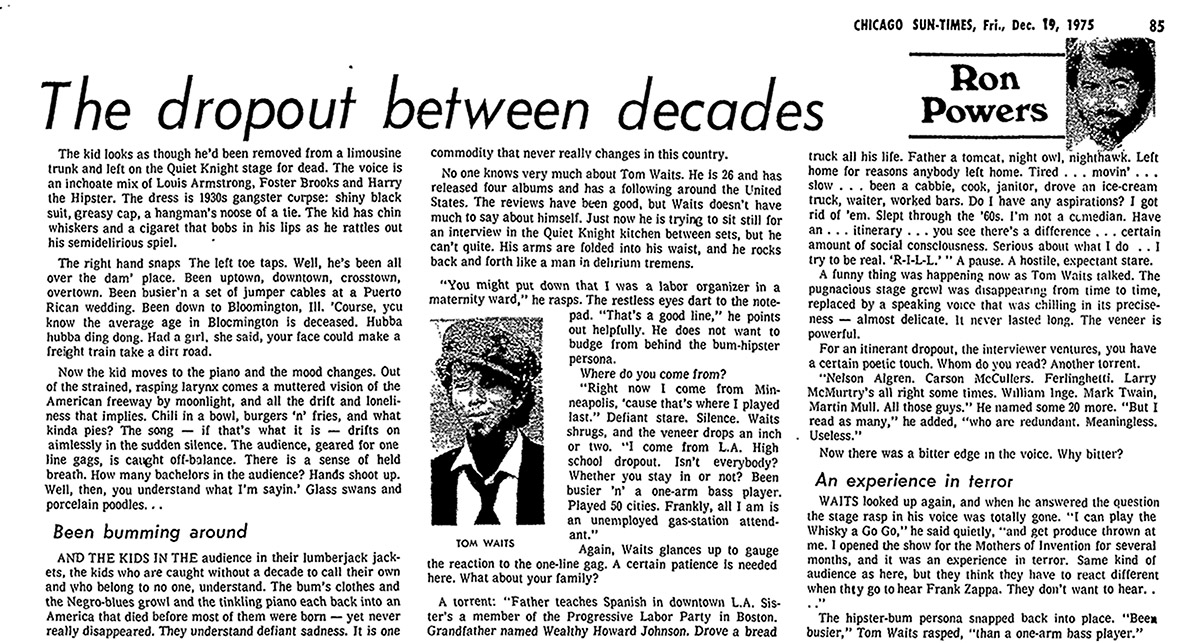
Powers interviewed Waits in the Quiet Knight’s kitchen as he was taking a break in between sets:
His arms are folded into his waist, and he rocks back and forth like a man in delirium tremens.
“You might put down that I was a labor organizer in a maternity ward,” he rasps. The restless eyes dart to the notepad. “That’s a good line,” he points out helpfully. He does not want to budge from behind the bum-hipster persona.
Where do you come from?
“Right now I come from Minneapolis, ’cause that’s where I played last.” Defiant stare. Silence. Waits shrugs, and the veneer drops an inch or two. “I come from L.A. High school dropout. Isn’t everybody? Whether you stay or not? Been busier ’n’ a one-arm bass player. Played 50 cities. Frankly, all I am is an unemployed gas-station attendant.”
Again, Waits glances up to gauge the reaction to the one-line gag. A certain patience is needed here. What about your family?
A torrent: “Father teachers Spanish in downtown L.A. Sister’s a member of the Progressive Labor Party in Boston. Grandfather named Wealthy Howard Johnson. Drove a bread truck all his life. Father a tomcat, night owl, nighthawk. Left home for reasons anybody left home. Tried … movin’ … slow … been a cabbie, cook, janitor, drove an ice-cream truck, waiter, worked bars. Do I have any aspirations? I got rid of ’em. Slept through the ‘60s. I’m not a comedian. Have an … itinerary … you see there’s a difference … certain amount of social consciousness. Serious about what I do … I try to be real. ‘R-I-L-L.’” A pause. A hostile, expectant stare.
A funny thing was happening now as Tom Waits talked. The pugnacious stage growl was disappearing from time to time, replaced by a speaking voice that was chilling in its preciseness — almost delicate. It never lasted long. The veneer is powerful.
For an itinerant dropout, the interviewer ventures, you have a certain poetic touch. Whom do you read? Another torrent.
“Nelson Algren. Carson McCullers. Ferlinghetti. Larry McMurtry’s all right some times. William Inge. Mark Twain, Martin Mull. All those guys.” He named some 20 more. “But I read as many,” he added, “who are redundant. Meaningless. Useless.”
Now there was a bitter edge in the voice. Why bitter?
Waits looked up again, and when he answered the question the stage rasp in his voice was totally gone. “I can play the Whisky a Go Go,” he said quietly, “and get produce thrown at me. I opened the show for the Mothers of Invention for several months, and it was an experience in terror. Same kind of audience as here, but they think they have to react different when they go to hear Frank Zappa. They don’t want to hear…”
The hipster-bum persona snapped back into place. “Been busier,” Tom Waits rasped, “than a one-arm bass player.”
As it happens, one of the memorable people Waits met at the Quiet Knight was a one-armed piano player. In a 1999 interview with the Dallas Observer, Waits recalled:
“I met a one-armed piano player in Chicago when I was on the road doin’ clubs all the time. His name was Eddie Balchowsky. He was also a painter who had fought in the Spanish Civil War. He was excellent. And the song he played over and over again was called ‘Without a Song.’ You know that song? Bob Dylan quoted it one night at an awards ceremony: ‘Without a song, the road will never bend / Without a song.’ He would slam that hand down on the piano, and he’d do the low chords, and then he’d slam over and hit the octaves, then he’d get it in the middle there. It sounded huge. He sounded like Horowitz. He actually did have a nub on the end of his stump. It was like a little finger, so he could pick up a little bit with that.”
Balchowsky had lost his right arm to machine-gun fire when he was serving as a volunteer in the Spanish Civil War in the 1930s. After that, he “went on to fashion a life as a painter, poet, piano player, singer and reformed junkie,” Roger Ebert wrote for the Sun-Times in 1973, when the Quiet Knight hosted a benefit show for Balchowsky, who worked as a janitor for the venue.
Studs Terkel introduced Balchowsky to the crowd that night. “He’s a Huckleberry Finn out of his time,” Terkel said. “A lot of you don’t know what the Spanish Civil War was about, but I’ll say one thing: If there had been more Eddie Balchowskys, there would have been no Hitler.” When Balchowsky died in 1989, Terkel remarked: “To me he was Lazarus. Eddie had lived about seven different lives.”
The Quiet Knight was located on the second floor of the building just west of the CTA’s elevated tracks over Belmont Avenue, along the street’s south side. When Waits was in town for a gig, he often stayed at the Wilmont Hotel at 933 West Belmont Avenue, over on the east side of the el tracks.
The Wilmont’s name is a portmanteau, combining syllables from the names of the streets where it is located—at the T-shaped intersection of Wilton and Belmont Avenues. The Wilmont appeared in advertisements as early as 1930, when a classified notice in the Tribune called it “a commercial hotel with a home atmosphere.”
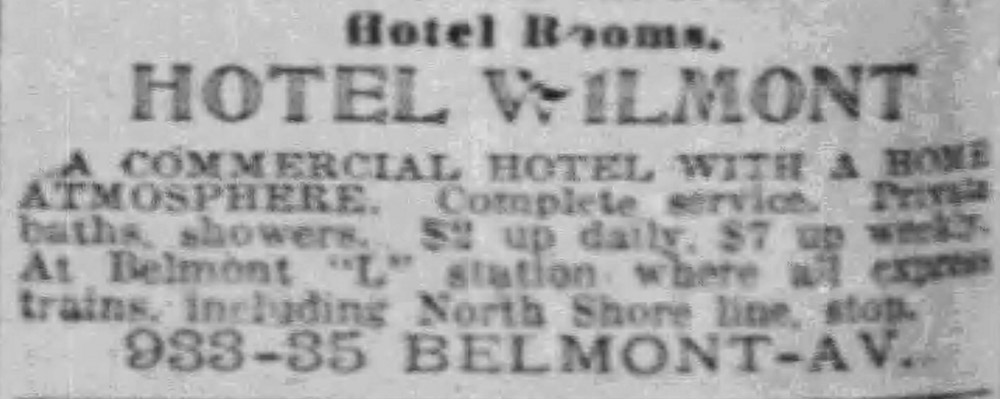
But by the 1970s, when Waits stayed there, it was a seedy hotel serving a transient population. It was “a controversial hotel that had been blamed for problems on the street for years,” the Tribune later reported, calling it “an essentially sound structure that was simply suffering from decades of neglect.”
Waits may have also stayed at the nearby Bel-Ray Hotel, according to a Sun-Times story Dave Hoekstra wrote after interviewing Waits in 1986. Mentioned in ads as early as 1931, the Bel-Ray Hotel at 3154 North Racine Avenue was another lodging house with a portmanteau moniker: It’s named after Belmont and Racine.
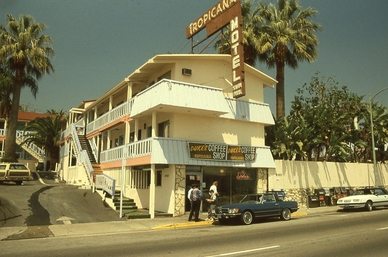
In the 1970s, Waits seemed to relish staying at these sorts of transient hotels. He lived for years at the Tropicana Motel, 8585 Santa Monica Boulevard, in West Hollywood, California, with his piano in the kitchen. In a 1977 interview with the Dallas Morning News, Waits said:
“I live in a run-down hotel—the Tropicana. All room rents paid in advance. The other people who live there are four-speed automatic transvestites, unemployed firemen, dikes, hoods, hookers, sadists, masochists, Avon ladies on the skids, reprieved murderers, ex-bebop singers and one-armed piano players. The whole gambit—lock, stock and bagels.”
Meanwhile, back in Chicago, the Quiet Knight closed in 1980. “The city wanted me out of business,” owner Richard Harding said. As Guarino explains in his book, city officials shut down the venue by citing “an archaic law that required saloons to give the police a clear view of the barroom from the street.”
The former Quiet Knight space became Tuts, a venue known for hosting punk rock shows. After Tuts closed, it was the Avalon nightclub until 1995. This stretch of Belmont Avenue became a hot area for punk and new wave music during that era, famous for spots like the LGBTQ nightclub Berlin; Medusa’s, a “juice bar” and cavernous dance club; and the Alley, a store selling leather jackets, spiked belt buckles, and other attire and memorabilia for punks, goths, and bikers. The neighborhood’s vibe had changed from the folkies and nighthawks of the Quiet Knight years, but one can still imagine Tom Waits feeling at home there.
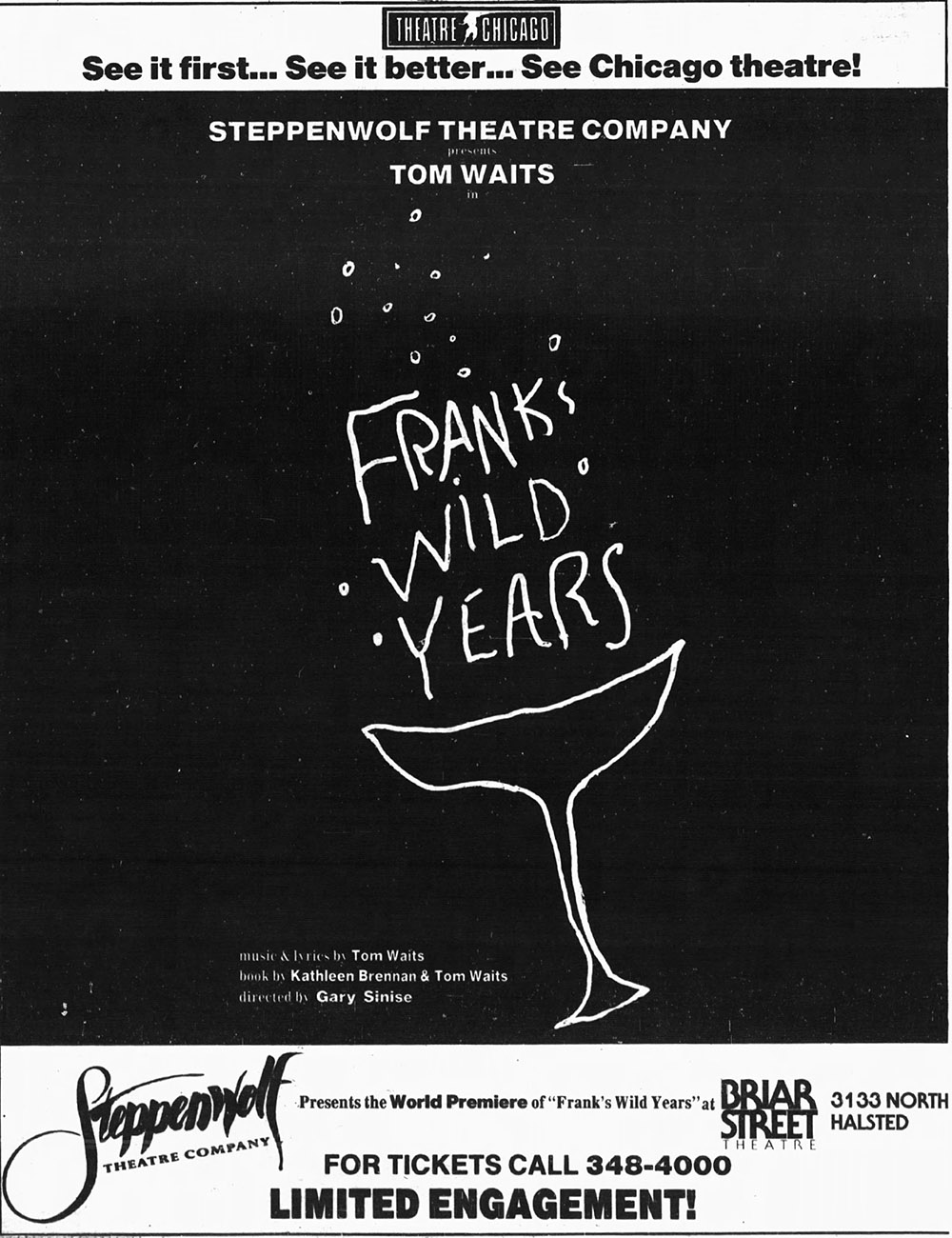
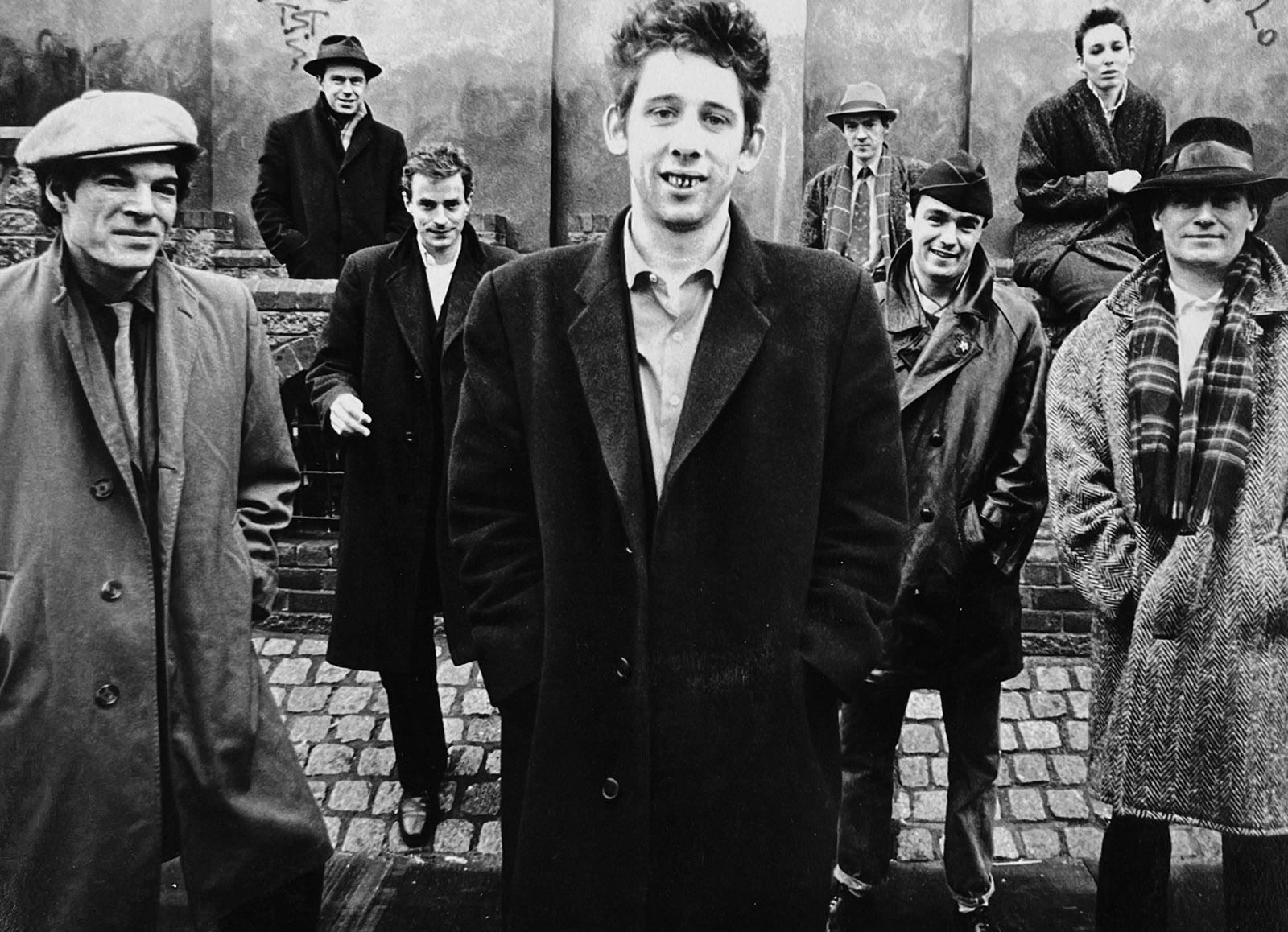
Waits visited the neighborhood on at least one occasion in 1986, when he spent a few months in Chicago, starring in Steppenwolf Theatre’s staging of Frank’s Wild Years—the musical he wrote with his wife, Kathleen Brennan—at the Briar Street Theatre, 3133 North Halsted Street. After his show on July 12, 1986, Waits went to the Vic Theatre, at 3145 North Sheffield Avenue, just around the corner from the old Quiet Knight, and caught the final songs of a concert by the Pogues, who’d attended a matinee performance of Frank’s Wild Years earlier.
“Then we went out drinking with Tom,” vocalist and tin whistler Peter “Spider” Stacy recalled in a 2011 interview with TimeOut Chicago.
The TimeOut Chicago article continues:
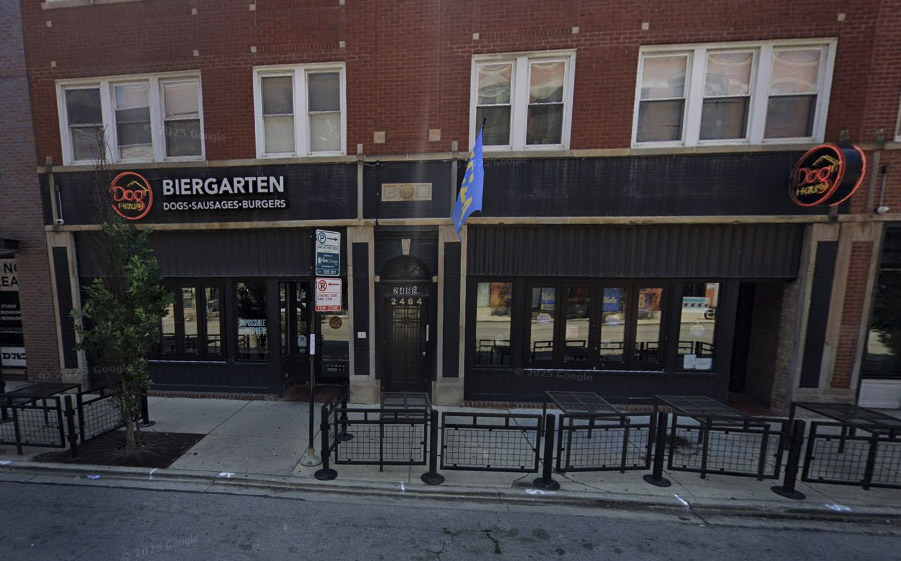
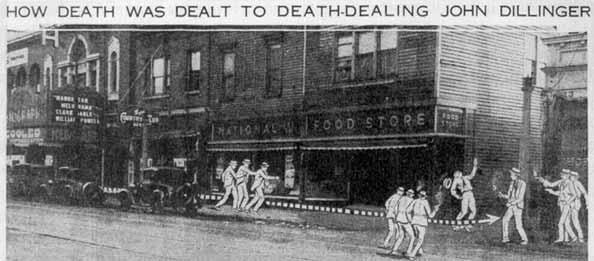
Actor Aidan Quinn, coincidentally in town, tagged along and helped guide Waits and the Pogues on their North Side bar-hop. “Then there was one that had a piano in it,” Stacy explains. “Tom started playing. You can’t ask for anything more than that.” The bar they ended up in was Holstein’s on Lincoln [2464 North Lincoln Avenue], a small club on its last legs that was owned by folksinger Fred Holstein. [Elvis] Costello eventually made his way to the watering hole and belted a few tunes himself. Yet Stacy’s fondest memory of the evening came when the group drunkenly crossed the street to check out the infamous alley of the Biograph Theater. “Tom showed us the spot where Dillinger had been shot by the FBI,” Stacy remembers with a chuckle. “His wife took a photograph of me standing over the body of our old lighting engineer Paul Verner. Sadly, he is really dead now. I had my tin whistle in my hand, pointing it at him like it was a gun.”
The Chicago Reader’s Leor Galil looked back at Belmont Avenue’s punk years in “The saga of Punkin’ Donuts.” As Galil explained, Punkin’ Donuts was a popular nickname for the Dunkin’ Donuts that stood at the northwest corner of Belmont Avenue and Clark Street:
Its nickname notwithstanding, Punkin’ Donuts wasn’t just a place for punks. While you could reliably find kids in leather jackets, punk T-shirts, and Mohawks there, the shop also attracted lots of other folks from outside the mainstream: house-music fanatics, antiracist skinheads, trans women, skaters, drag queens, industrial-music fans, goths, runaways. In the 1980s, the intersection of Clark and Belmont was one of the busiest in Lakeview, an easy walk from a constellation of music venues and clubs as well as from Boystown’s booming Halsted Street scene. The Dunkin’ Donuts operated 24/7 in those days, and because it admitted people under 21 (unlike most bars and clubs), anyone could hang out there, without regard to whether more conventional nightlife attractions were even open. …
At its peak in the late 1980s, Punkin’ Donuts developed an almost symbiotic relationship with two Lakeview destinations: juice bar Medusa’s, a hub for punk, house, and industrial music, and punk emporium the Alley.
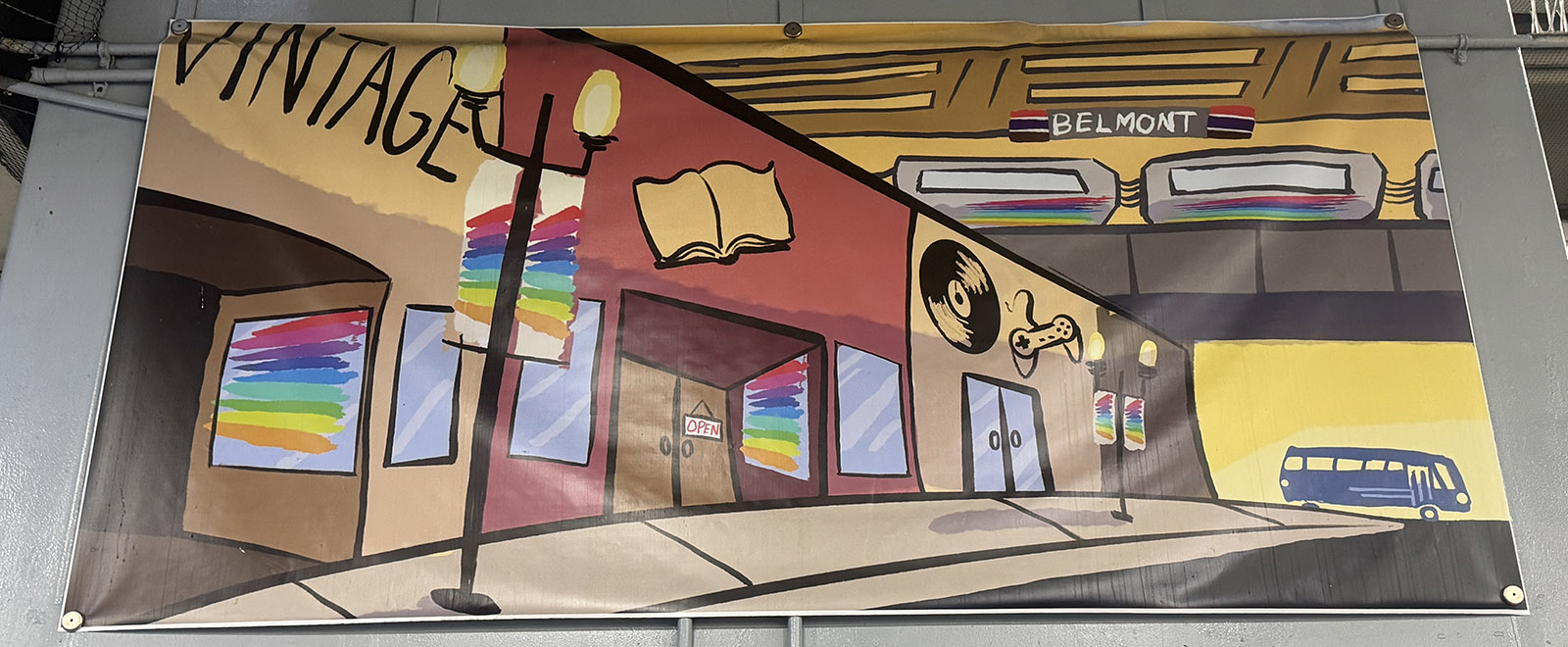
That punk era is over. A Target store now stands where Punkin’ Donuts once attracted crowds, and other local punk landmarks have also vanished. Reckless Records now has a store at 929 West Belmont, so the street isn’t completely bereft of cool music. And the Vic Theatre, has been hosting concerts since the mid-1980s. You might occasionally hear something resembling punk rock there.
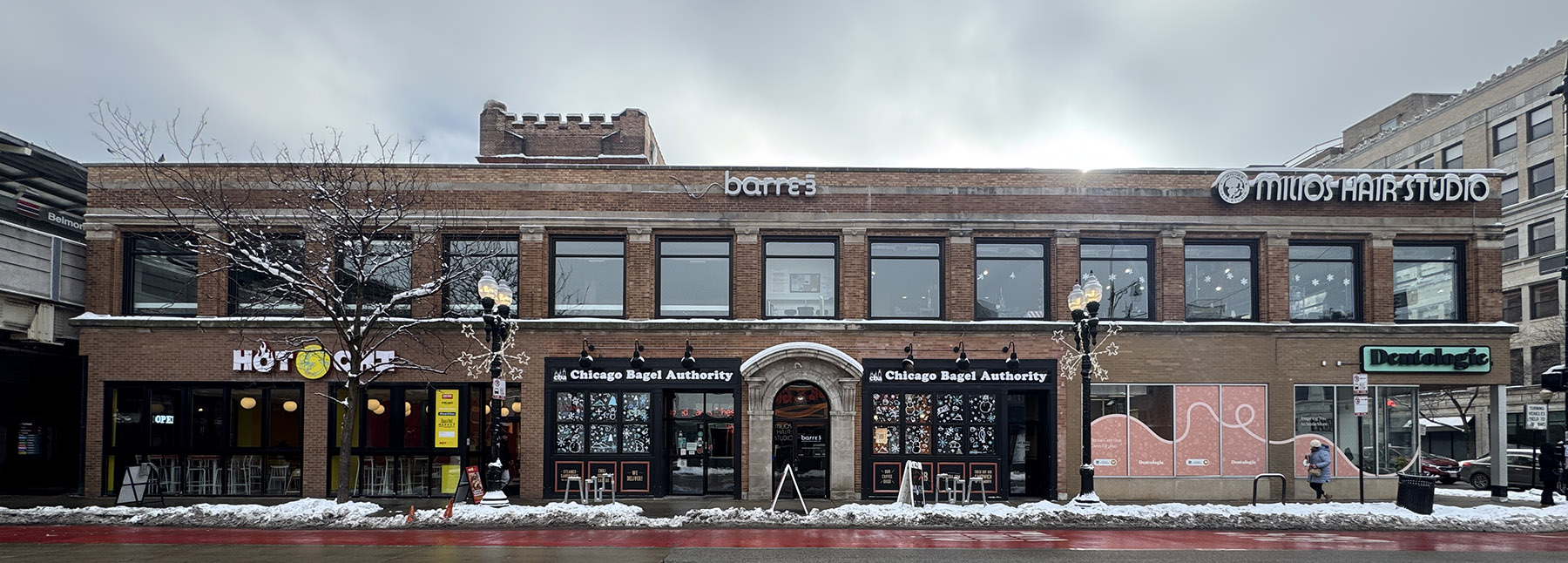
But the era when Tom Waits hung out in this vicinity is a distant memory. The space where Waits performed his Quiet Knight concerts is now a Barre3 fitness studio (“We’re here to support you in building a fitness routine that leaves you feeling alive, aligned, and energized.”) and Milio’s Hair Studio.
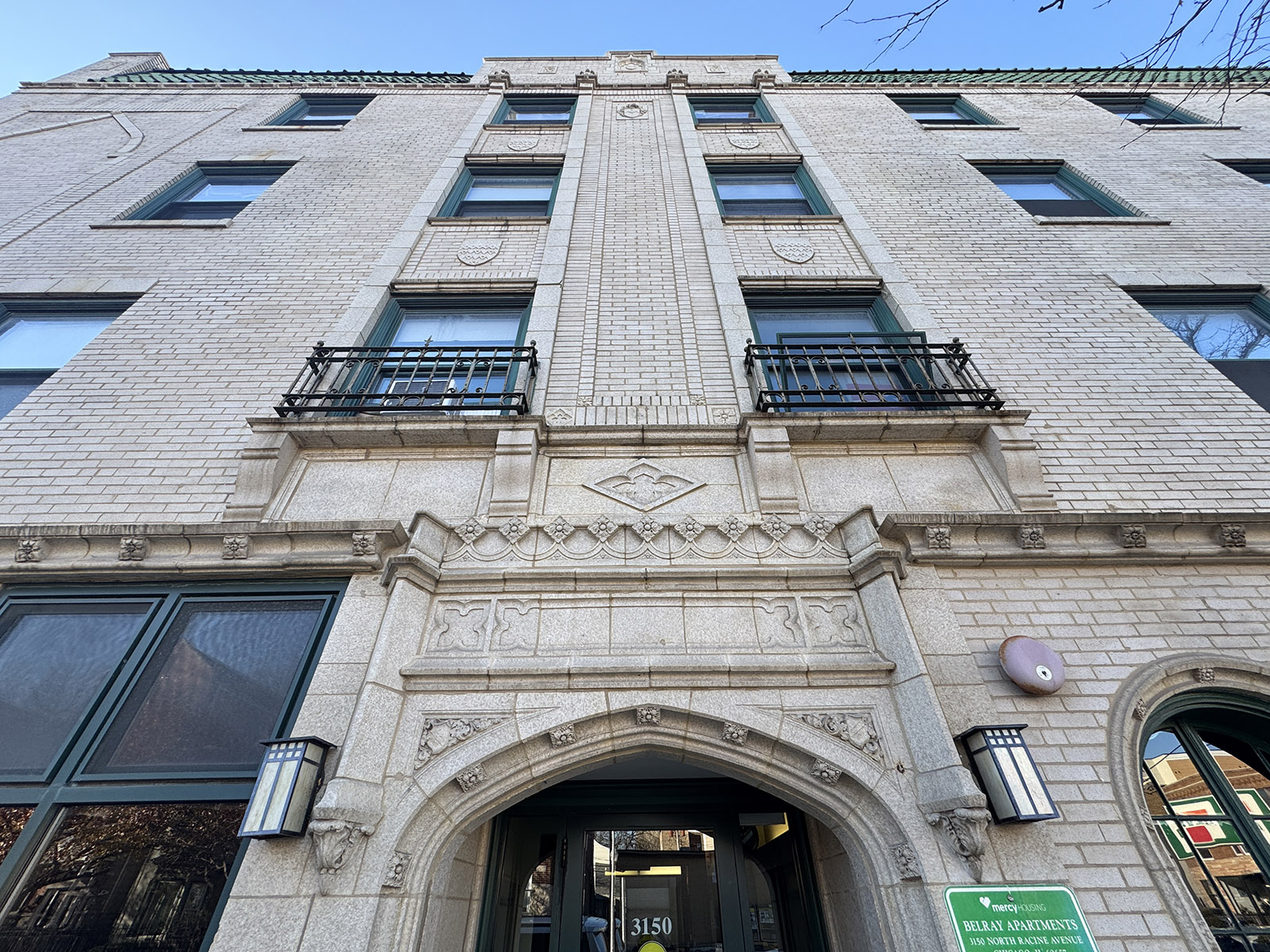
The Bel-Ray Hotel is one remnant of the old scene that wasn’t gentrified out of existence; it’s now Mercy Housing’s Belray Apartments, which provides supportive housing for single homeless adults.
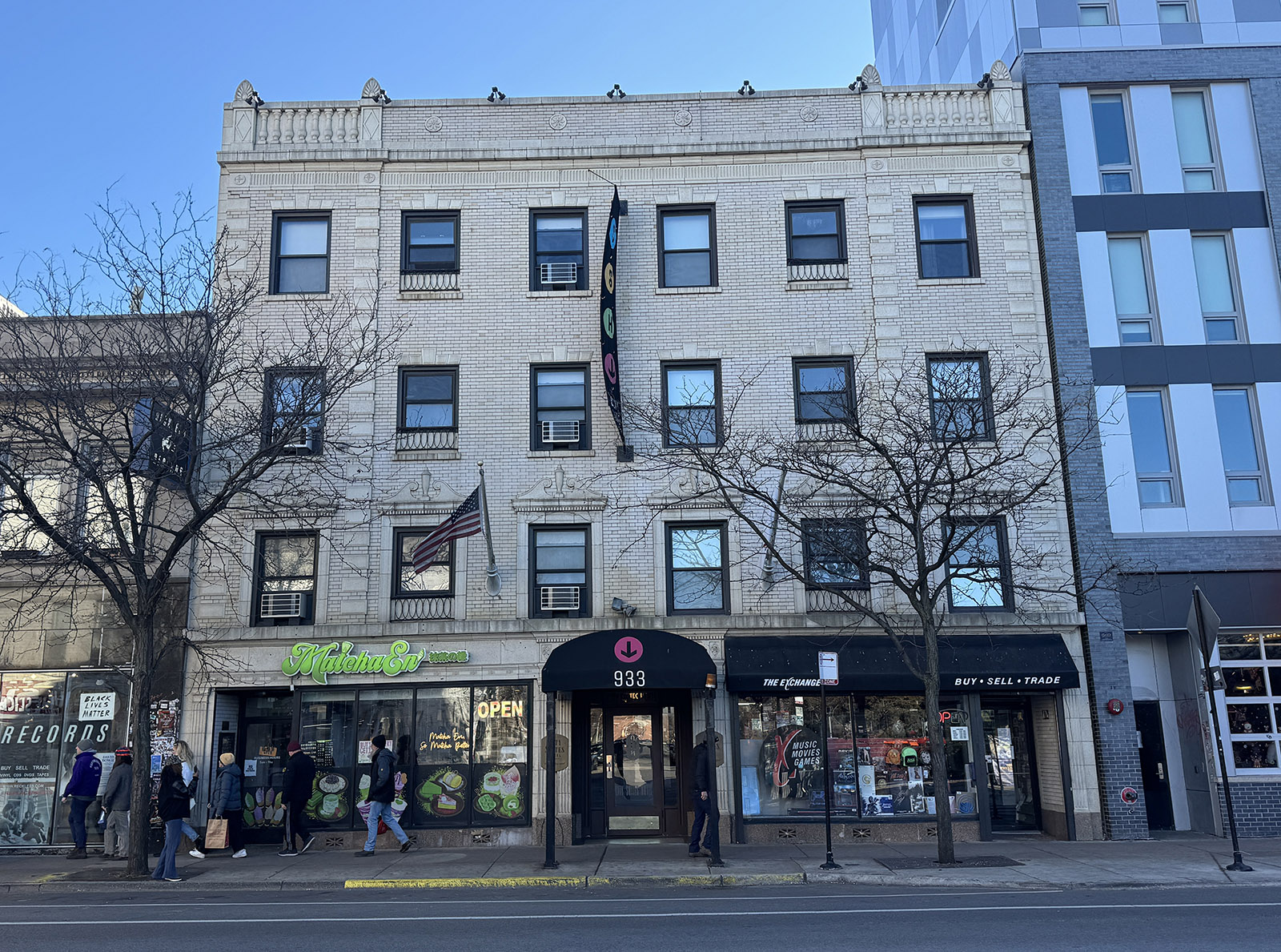
The Wilmont Hotel, where Waits used to chat with the Marlboro Man’s mom, is now the City Suites Hotel, which promises a “boutique experience.” The hotel’s website says: “Our 45 guest rooms and suites combine Art Deco décor with a vibrant, urban-inspired aesthetic and a happening atmosphere to serve as your jumping off spot, or a safe haven for when you want to stay and linger a while.”